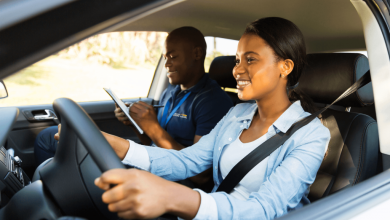
Learning to drive is one of the most exciting milestones in life, but it also comes with serious responsibility. Every year, thousands of accidents in the United States involve inexperienced drivers who underestimate road risks or fail to follow proper safety practices. Knowing safe driving tips for new drivers is crucial for building confidence, avoiding costly mistakes, and ensuring that every trip behind the wheel ends safely.
The Importance of Safe Driving Habits
Driving is not just about handling a car—it’s about making smart, consistent decisions that protect you, your passengers, and everyone else on the road. Good driving habits reduce the likelihood of accidents, improve vehicle longevity, and foster a lifelong respect for traffic laws. Developing these habits early helps new drivers avoid dangerous patterns that are difficult to break later.
Safe driving is more than simply obeying traffic rules. It includes understanding how environmental factors, other drivers, and personal behavior all interact on the road. By mastering these fundamentals, new drivers can dramatically reduce their risk of collisions.
Understanding Defensive Driving
Defensive driving is one of the most powerful tools any driver can learn. It involves anticipating potential hazards and preparing for them before they become emergencies. Instead of reacting to situations, defensive drivers think ahead and remain alert at all times.
Core Principles of Defensive Driving
- Stay aware of your surroundings: Constantly monitor traffic ahead, behind, and beside you. Use mirrors frequently to maintain awareness.
- Keep a safe following distance: The 3-second rule ensures enough reaction time if the car ahead stops suddenly.
- Anticipate mistakes by other drivers: Never assume another driver will obey traffic signals or yield correctly.
- Avoid distractions: Phones, food, and conversations can divert your attention for the critical seconds needed to prevent an accident.
- Adjust for conditions: Rain, fog, snow, and glare all affect visibility and braking distances. Drive slower and increase following distance in these conditions.
Adopting defensive driving habits early instills a mindset of control and caution, both of which are essential for staying safe.
Managing Speed and Control
Speeding remains one of the most common causes of fatal accidents in the United States. New drivers often underestimate how long it takes to stop a vehicle or how easily high speeds can reduce control.
The Dangers of Speeding
- Reduced reaction time: At higher speeds, there’s less time to respond to obstacles or changes in traffic flow.
- Longer stopping distances: Doubling your speed quadruples your stopping distance.
- Increased impact severity: Collisions at higher speeds result in greater force and more severe injuries.
Maintaining Proper Speed
Always follow posted speed limits, but adjust for conditions. For example, driving 55 mph may be legal but unsafe during heavy rain or on icy roads. On highways, maintain a steady speed and avoid constant lane changes, which increase risk and frustrate other drivers.
Cruise control can be helpful on long trips, but new drivers should use it only in dry, clear conditions. Maintaining manual control teaches proper throttle and brake management.
Avoiding Distractions Behind the Wheel
Distractions are one of the deadliest threats for new drivers. The National Highway Traffic Safety Administration (NHTSA) reports that texting while driving increases crash risk by over 20 times.
Common Driving Distractions
- Cell phones: Texting, calling, or even checking notifications can divert attention.
- Passengers: Conversations and peer pressure can draw focus away from the road.
- Eating or drinking: Handling food or drinks reduces control of the steering wheel.
- Adjusting controls: Changing the radio or climate settings should be done when stopped.
- Daydreaming: Fatigue or emotional stress can cause mental distraction.
Tips to Stay Focused
- Keep your phone on silent and out of reach.
- Set GPS routes before starting your trip.
- Ask passengers to minimize noise and distractions.
- Pull over safely if you need to make a call or adjust controls.
Learning to prioritize attention is one of the strongest predictors of long-term driving safety.
Understanding Vehicle Maintenance and Safety
Safe driving extends beyond the road—it begins with vehicle readiness. A poorly maintained car can cause preventable accidents through brake failure, tire blowouts, or engine stalls.
Pre-Drive Checklist
Before starting your journey, perform a quick safety check:
- Tires: Ensure proper pressure and tread depth.
- Lights: Check headlights, brake lights, and turn signals.
- Brakes: Listen for squealing or grinding sounds that may indicate wear.
- Fluids: Verify oil, coolant, and windshield washer levels.
- Mirrors and seat: Adjust for full visibility and comfort before moving.
Regular Maintenance Habits
Following your vehicle’s maintenance schedule keeps it reliable and safe. Regular oil changes, tire rotations, and brake inspections help prevent unexpected breakdowns, especially for new drivers who may not yet recognize warning signs.
Navigating Intersections Safely
Intersections are some of the most dangerous areas on the road, accounting for a significant percentage of traffic accidents. New drivers must approach every intersection with heightened awareness.
Safe Intersection Practices
- Look both ways, even with a green light: Other drivers may run red lights or make illegal turns.
- Avoid blocking intersections: Never enter unless you can completely clear it.
- Yield properly: Understand right-of-way rules for stop signs and four-way stops.
- Watch for pedestrians and cyclists: Always give them priority at crosswalks.
- Turn carefully: Use turn signals early and double-check blind spots before making a move.
Patience is key at intersections. Rushing to beat a light or merge quickly often leads to preventable collisions.
Handling Adverse Weather Conditions
Bad weather challenges even experienced drivers, and new drivers must learn to adapt their techniques accordingly.
Driving in Rain
- Turn on headlights to increase visibility.
- Avoid sudden braking to prevent hydroplaning.
- Drive in the tire tracks of the vehicle ahead to reduce water buildup.
Driving in Snow or Ice
- Accelerate and brake gradually to maintain traction.
- Increase following distance to 8–10 seconds.
- Avoid cruise control on slippery surfaces.
- Keep a winter emergency kit in your car with blankets, flashlight, and a shovel.
Driving at Night
- Use high beams only on dark, empty roads and switch to low beams for oncoming traffic.
- Clean your windshield regularly to prevent glare.
- Stay alert for animals and pedestrians.
Understanding Safe Lane Changing
Changing lanes may seem simple, but it’s a leading cause of highway accidents. Proper technique requires coordination, awareness, and precision.
Safe Lane Change Steps
- Check mirrors for traffic behind and beside you.
- Signal early to communicate your intentions.
- Check blind spots by turning your head slightly before moving.
- Change lanes smoothly without jerky steering.
- Maintain speed throughout the maneuver.
Avoid weaving through traffic or switching lanes in intersections. Always plan lane changes well in advance of exits or turns.
Managing Fatigue and Long Drives
Fatigue can impair driving ability as severely as alcohol. Reaction times slow, attention drifts, and judgment weakens. New drivers must recognize when it’s time to rest.
Preventing Driver Fatigue
- Get at least 7–8 hours of sleep before long trips.
- Take a 15-minute break every two hours.
- Avoid heavy meals that can cause drowsiness.
- If you feel sleepy, pull over safely and take a short nap.
Never underestimate fatigue—it’s one of the most overlooked dangers for inexperienced drivers.
Building Confidence Without Overconfidence
Confidence grows with experience, but overconfidence can lead to reckless decisions. Many new drivers make the mistake of believing they have mastered driving after only a few months.
Ways to Build Confidence Safely
- Practice in varied environments, including highways, rural roads, and parking lots.
- Drive with experienced passengers who can offer calm guidance.
- Learn to parallel park and handle tight spaces early.
- Gradually increase driving distances and conditions.
Confidence should always come from preparation and skill, not risk-taking or peer approval.
Safe Driving Etiquette
Driving isn’t just about rules—it’s also about courtesy. Respecting other drivers improves traffic flow and reduces stress on the road.
Key Etiquette Practices
- Use turn signals consistently.
- Avoid tailgating; it only increases tension and accident risk.
- Let faster traffic pass instead of blocking the left lane.
- Refrain from honking unless necessary for safety.
- Always merge smoothly and courteously.
Polite, predictable driving behavior contributes to safer roads for everyone.
Real-Life Scenario: The Cost of Inexperience
Consider a 17-year-old new driver who accelerates too quickly on a wet road, loses control, and skids into another lane. The cause wasn’t excessive speed but a lack of awareness of how rain affects traction. This type of accident is common and preventable through basic safety training and cautious driving behavior. Every mistake becomes a learning opportunity, but learning safely through awareness is far better than learning through an accident.
FAQs
1. What’s the best way for new drivers to practice safely?
Start in low-traffic areas like empty parking lots or residential streets. Gradually move to more complex environments as your skills improve.
2. How can I calm my nerves while driving?
Deep breathing, keeping both hands on the wheel, and focusing on one task at a time can help. Avoid distractions and remind yourself to stay patient.
3. Should new drivers use GPS navigation?
Yes, but set it before driving. Avoid adjusting routes or typing addresses while the car is in motion.
4. How long does it take to become a confident driver?
Most people gain confidence after 6–12 months of regular driving. However, continuous learning and caution are vital even after gaining experience.
5. What should I do if I’m involved in a minor accident?
Stay calm, move to a safe area if possible, and exchange information with the other driver. Take photos of the scene and contact local authorities if necessary.
Developing safe driving tips for new drivers into consistent habits builds the foundation for a lifetime of responsible driving. Mastering these practices not only protects you but also helps create safer roads for everyone around you. Every mile you drive safely strengthens your confidence, improves your skills, and ensures that your driving experience remains both enjoyable and secure.